Hydrate or nourish your skin: what should you choose to keep it balanced?
Summary
The ultimate guide to understanding what your skin really needs.
For centuries, the same question has been asked: does my skin lack water or lipids? Hydration and nutrition are often confused, even though they respond to distinct biological mechanisms. The result: inappropriate routines and persistent discomfort. This article provides clear insight to help you understand, analyse and make the right choices.
Article written by Dipinto Rachel
Understanding your skin's needs
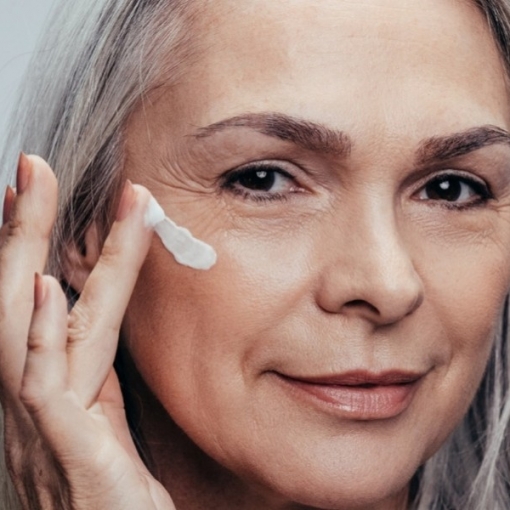
An ‘ultra-hydrating’ serum and suddenly your skin feels tight, as if you've had an unwanted mini-facelift. A cream that's too nourishing and your forehead shines like a disco ball? A facial treatment that's too oily? This imbalance is common. Confusing hydration with nutrition leads to inappropriate skincare and uncomfortable skin. Understanding the difference changes everything.
Skin can have a variety of characteristics, sometimes in combination. For example, you can have oily skin and still feel discomfort because it is dehydrated in places. And it is not uncommon for skin to be dry, oily and dehydrated at the same time. Each of these skin conditions requires special attention to restore balance and reveal your natural beauty.
Did you know that there is a big difference between dry skin and dehydrated skin? In fact, dehydrated skin is much more common and is a temporary phenomenon... Let's take a look at the big picture to finally understand.
Dehydrated skin VS dry skin
Dehydrated skin, as its name suggests, is skin that lacks water, unlike dry skin, which lacks lipids. Water is essential for our health, as well as for our skin. When the skin barrier is weakened, it no longer retains the necessary water. Dehydration can affect all skin types and occur at any age. Fortunately, dehydration is a temporary problem. The good news is that we can prevent and relieve dehydration with a skincare routine.
Dryness, on the other hand, is a lack of lipids. Dry skin indicates a lack of lipids (fats), but it can sometimes follow you throughout your life if you are genetically predisposed to dry skin. But don't panic! There are a multitude of plant oils that can relieve you of the sometimes very debilitating inconveniences of dry skin. Indeed, truly dry skin can cause flaking, as well as symptoms such as itching and burning sensations. The medical diagnosis for dermatologically very dry skin is also known as xerosis. Irregularities in the skin's surface are even more pronounced in cases of dry skin.
Moisturise or nourish the skin?
BOTH are essential for maintaining the hydrolipidic barrier, which ensures a healthy balance for your skin.
Moisturising maintains the ‘hydro’ part of the skin's natural protective barrier by providing it with the necessary water supply.
Nutrition strengthens the ‘lipid’ component of this barrier by providing it with essential lipids and nutrients. The balance between moisturising and nutrition must be maintained.
In summary, dehydration affects all skin types.
What is my skin type?
Dry skin
Sensations:
Dry skin can feel rough, tight and uncomfortable.
It can cause itching and a feeling of tightness.
Appearance:
Dry skin may appear dull, dehydrated and lack radiance.
Sometimes, dry skin may have areas of more severe flaking or red patches.
Dry skin may be prone to chapping and cracking.
Oily skin (it may also be dehydrated)
Feel:
Oily skin may feel greasy to the touch and have a thicker texture.
It may feel heavy and sticky.
Appearance:
Oily skin often has a shiny, glossy appearance.
It may sometimes appear thick.
Combined skin
Feel:
Combined skin can feel different in different areas of the face. Some areas may be dry, while others may be oily.
Appearance:
Combined skin can have a contrasting appearance, with dry areas and oily areas.
Most often, combined skin is more ‘oily’ and accompanied by imperfections in the T-zone (forehead, nose, chin), and more “dry” and/or more ‘dehydrated’ on the cheeks.
Dehydrated skin
It is not really a ‘skin type’, as any skin type can become dehydrated. It is therefore useful to know its characteristics.
Sensations:
Dehydrated skin can feel uncomfortable, tight and sensitive.
It can cause itching and a feeling of tightness.
Appearance:
Dehydrated skin may appear dull, tired and lack elasticity.
3 or more answers in the “dehydration” column → prioritise hydration.
3 or more answers in the “lack of lipids” column → prioritise nourishment.
Answers in both columns → your skin needs a balance of hydration and nourishment.
Which Bioflore treatments should I choose?
Here at Bioflore, the range is built around the fundamental needs of the skin: water and lipids.
1. Serums: the moisturising base
Serums all have a moisturising and hydrating base. Their main role is to provide water and help the skin retain it. They therefore support the ‘hydro’ part of the hydrolipidic barrier.
Each serum also contains specific active ingredients:
tightening and smoothing effect
long-term skin support
radiance
comfort
feeling of freshness upon waking
The choice depends on skin sensitivity, the season and personal preferences. But in terms of moisturising, all serums fulfil this essential function.
Used alone, a highly moisturising serum can sometimes accentuate the feeling of tightness: it provides water, but without additional lipids, this water can evaporate more easily. To optimise comfort and skin absorption, it is best to follow up with a fluid. This combination deeply moisturises while strengthening the lipid barrier, leaving skin supple and balanced.
Learn to listen to your skin's language
The skin is never wrong: it expresses a lack of water, a need for lipids or an imbalance between the two. Tightness, shine, discomfort or loss of radiance are signals, not flaws. Learning to decode them allows you to adjust your routine accordingly. Hydrate, nourish, balance: the key is to observe, understand and respond precisely to what your skin really needs.